Facilities are one of your district’s greatest assets
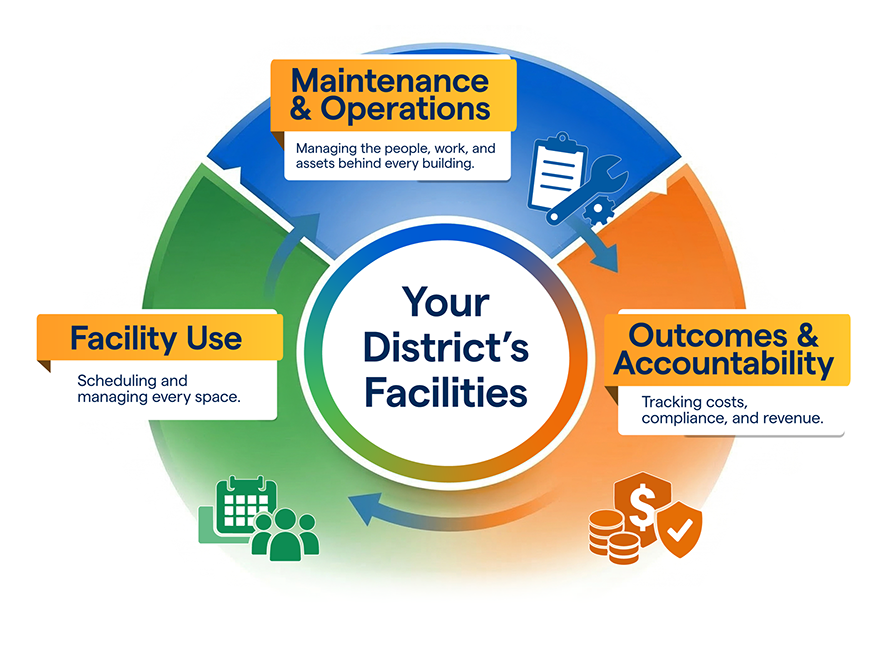
Districts getting the most value from their buildings tend to share one thing in common: <strong>they have a clear view of how their facilities are being used.</strong>

Quick nav: The 360° View | Why This Matters | Explore Tools | Guides & Resources | Request a Demo
Reality Stats
- 50+ years average school building age
- $270 Billion deferred maintenance nationwide
- Staff Shortages across districts of every size
Most districts know their facilities are busy. Very few can answer these questions without tracking down information from multiple sources:
- Who’s using which spaces?
- What does each event actually require?
- Where is staff time going?
- What does that usage really cost?

Reframing the Cost Center Myth
When usage, work, and cost data don’t line up, facilities are easy to misjudge.
Leadership sees the expense, but not which uses pay for themselves and which don’t.
Without a shared 360° view, opportunities for cost recovery stay hidden.

Compliance Note for California Districts (AB 503)
California’s AB 503 allows districts to recover the proportionate costs of community use of facilities, including labor, maintenance, and utilities.
To do that responsibly, districts need clear documentation showing how facilities are used, what work is required to support that use, and what it costs.
When scheduling, event registration, and work orders are connected, this information becomes available by default. It makes cost recovery easier to explain, easier to defend, and easier to manage without adding excess administrative burden.
A 360 View: What Districts Notice First
Changes tend to show up early when everyone is working from the same information. These are week-one differences, not long-term promises.

High confidence in decisions tied to facility use and pricing
Fewer scheduling conflicts across departments

Clear expectations around setup, support, and staffing

Visibility into which uses generate cost vs. revenue
Proof Through People: Customer Stories
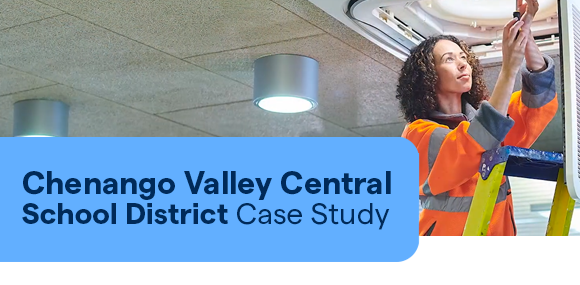
Chenango Valley CSD
Chenango Valley Central School District modernized its facilities management by replacing paper-based scheduling and work orders with Follett Software’s Facilities Suite to improve efficiency, accuracy, and resource use across its 380,000+ sq ft campus
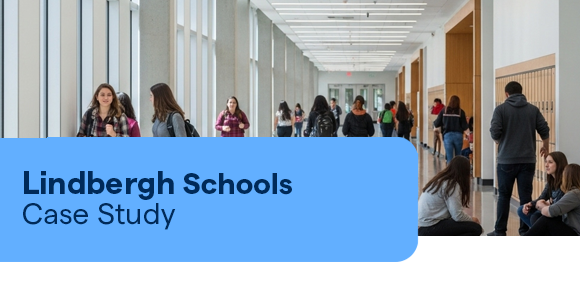
Lindbergh Schools
Lindbergh Schools unified its previously siloed scheduling, work order, and inventory systems into the Follett Facilities Suite, giving staff one centralized platform that boosted visibility, reduced missed requests, and simplified operations across departments.
Nothing's really missed anymore. There are no surprises.
Facilities Administrative Assistant, Lindbergh Schools
Why this matters to Facilities Directors
Facilities are one of the district’s largest investments, and you’re responsible for making sure they’re used well.
- You’re balancing schedules, staff, maintenance, and community use across multiple buildings.
- When systems don’t connect, it’s hard to see the full impact of that usage.
- That makes it tougher to plan ahead, explain tradeoffs, or show the value of the work your team does.
When facilities data is connected, you gain a clearer picture of how buildings are used, what they require, and where your effort is going. That visibility helps you plan work, protect your team’s time, and manage facilities more intentionally.

Why this matters to IT/Technology Leaders
Technology performance depends on devices and networks, as well as the buildings those systems live in.
Every outage, event, classroom move, or device rollout is affected by facilities realities like HVAC, power, room access, network closets, and space readiness.
When IT and facilities teams work in separate systems, small changes turn into missed handoffs, reactive tickets, and unnecessary downtime.
A connected 360° view helps IT see what’s happening across buildings in real time and coordinate with facilities using shared schedules, work orders, and space data.
When facilities and IT data are aligned, you can reduce tool sprawl, prevent classroom-impacting issues before they escalate, and keep instruction running smoothly across every site.

Why this matters to Business & Finance Leaders
Facilities represent a significant and ongoing investment, and a growing portion of that cost comes from how buildings are used outside the regular school day.
- Community use, events, and programs all create real labor, maintenance, and utility costs.
- When usage, work, and billing data live in different systems, it’s hard to know what’s being recovered and what the district is quietly absorbing.
- Rates and policies are often set without clear visibility into the true cost of supporting that use.
When facilities data is connected, you can see which uses pay for themselves, which don’t, and why. That makes it easier to set defensible rates, recover real costs, and manage facilities as a financial asset instead of an uncontrolled expense.

The Tools Behind the Strategy
Facilities Schedules
Everything you need to easily and efficiently manage your online facility scheduling.

Event Registration
Event Registration brings event sign‑ups and facility scheduling together in one integrated platform, purpose-built for K‑12 districts.

Work Orders
Work order software that centralizes all of your facility maintenance programs.
Resources & Guides
How One District Unlocked More Value from Facilities Schedules
Case Studies

From email chains to a more reliable facility request process.
Case Studies
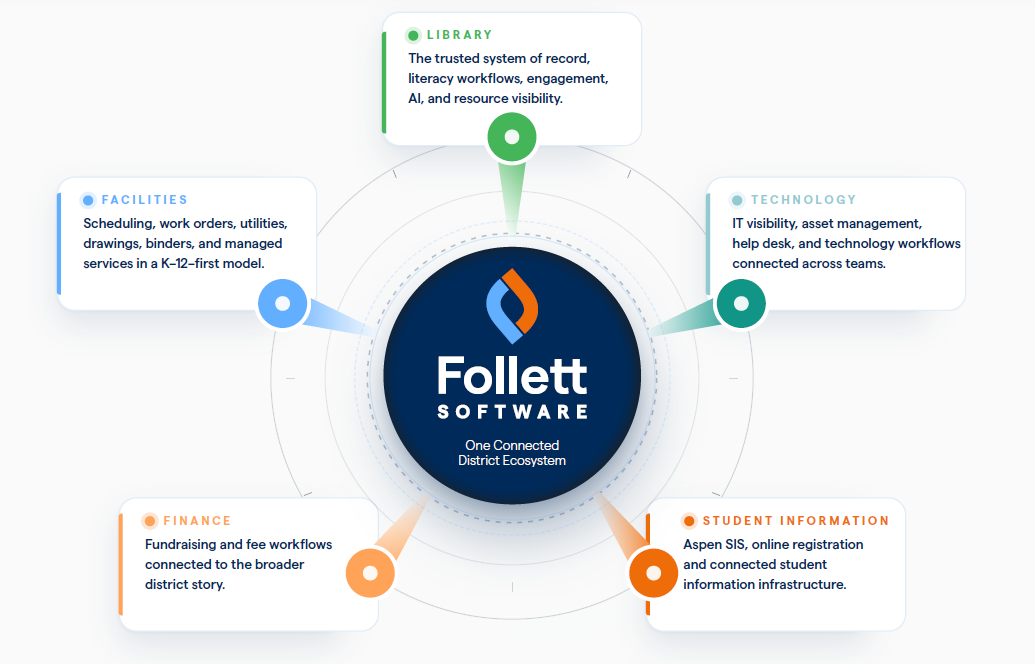
The Follett Software Advantage Guide
Guides

See Your Facilities Clearly for the First Time
Schedule a personalized demo to discover how a complete 360° view of facility use, cost, and compliance can help your district operate smarter, recover real costs, and eliminate blind spots.